Biotech and life sciences website design
A biotech website speaks to investors, partners, scientists and future hires, often at the same time. We design and build websites for biotechnology and life sciences companies on WordPress, Webflow and Framer, structured so each audience finds its way quickly.
Who the website serves
Investors want the thesis, the pipeline and the team. Partners want to understand the platform and how to collaborate. Scientists and candidates look at the science, the publications and the culture. A clear site gives each group a path without diluting the story for the others.
Pages most biotech companies need
- Science or platform: what the technology does and why it matters, explained at more than one level of detail.
- Pipeline: programs by stage, set up so the page can change as programs advance.
- Team and board: leadership, scientific advisors and board members.
- News and publications: press releases, papers and presentations your team can publish.
- Partnering: what you look for in collaborators and how to start a conversation.
- Careers: open roles and a sense of the lab and the culture.
- Investors: for later-stage and public companies, filings and events, often through a specialist provider.
Explaining complex science
The science has to be accurate and still readable. Your team supplies and approves every scientific claim. We help with structure: layered explanations, diagrams that carry the idea and pages that link from the overview to the detail. Many visitors read on their phones between meetings, so fast, accessible pages matter.
Growing with the company
Biotech websites change with each financing, milestone and hire. We set up CMS collections for news, publications, team members and open roles, so your team can publish without a developer. When a program moves stage, the pipeline updates in one place.
Choosing a platform
Webflow and Framer suit early-stage companies that want a fast, design-led site their team can edit easily. WordPress suits companies with large publication libraries, investor relations needs or many contributors. Compare the platforms.
Our biotech and life sciences work
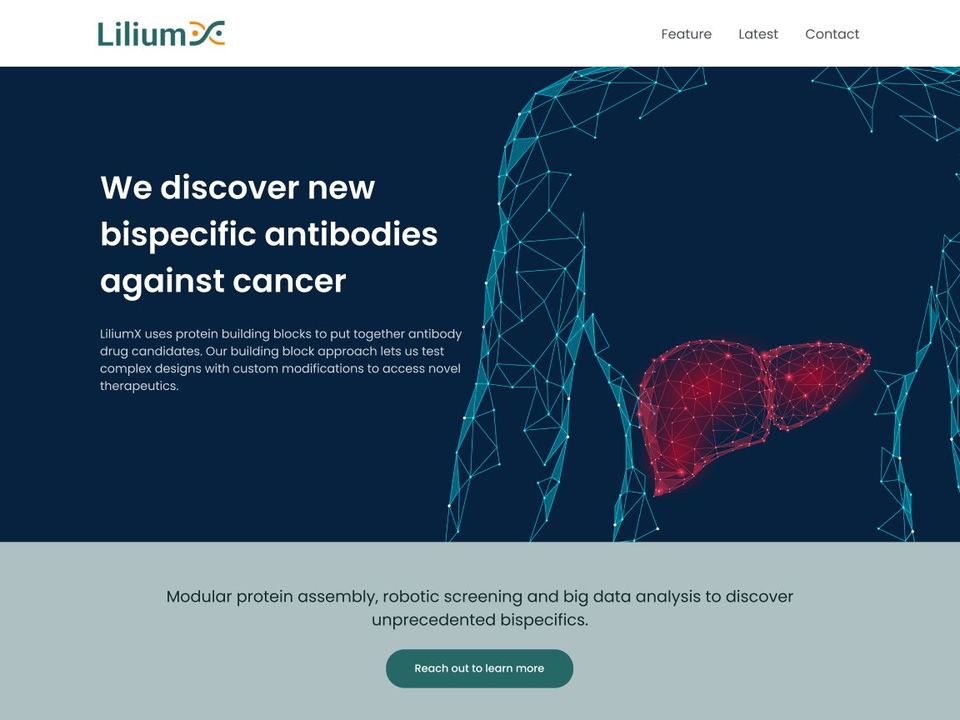
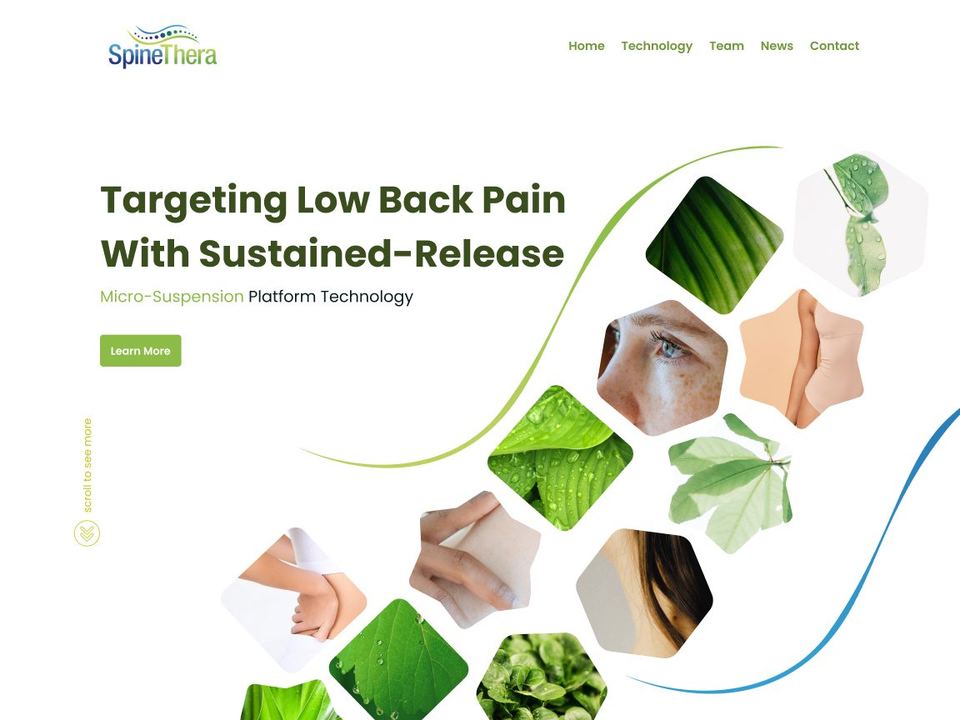
LiliumX and Spinethera show how we approach biotechnology and life sciences websites, from homepage directions to technology, team, news and careers pages.
How a biotech website project runs
- Define: we look at your audiences, current site and the stage of the company, then agree the pages and who does what.
- Design: we develop the visual direction and the science, pipeline and team pages with you.
- Build and review: we build the site and its CMS collections, connect the agreed tools and test across devices.
- Launch and hand over: we launch, redirect old pages and show your team how to publish news, roles and pipeline updates.
Related design work
Frequently asked questions
Can our scientists and comms team update the website themselves?
Yes. News, publications, team members, open roles and pipeline programs are set up as CMS collections with simple forms, so updates do not need a developer.
How do you present a pipeline that keeps changing?
As structured content: each program has its stage, indication and status, and the pipeline view reads from those fields. Updating a program updates the page.
Do you work with early-stage companies?
Yes. Early-stage sites are often smaller, focused on the platform, the team and how to get in touch, and built to grow after the next round.
Can you help after a rebrand or financing?
Yes. We redesign the site around the new positioning and migrate existing content, with redirects so links in press coverage and publications keep working.
How much does a biotech website cost?
Every proposal is based on the actual scope: pages, CMS collections, content, integrations and any migration. Tell us about your company and we will recommend a scope and send a clear proposal.
Tell us about your project
Share what you are planning, the platform you prefer and any timing. We will review it and follow up with the next step.